
Summary
This guide helps compassionate individuals make meaningful food donations to Dallas shelters by outlining the most-needed non-perishable items, explaining where and how to donate effectively, and showing how thoughtful contributions create a lasting impact beyond just addressing immediate hunger needs.
Looking to donate food in Dallas but not sure where to begin? Food donation makes an immediate difference in the lives of nearly 400,000 Dallas residents facing food insecurity. This guide covers the most needed items, where to donate them, and how to maximize your impact on hunger relief in our community.
Whether you’re clearing out your pantry or specifically shopping for donations, your generosity helps provide essential nourishment to families, children, and individuals experiencing hunger. Let’s explore how your donations can make the most difference in Dallas.
Top 5 Ways to Donate Food in Dallas Today
To donate food in Dallas, you can bring non-perishable items to local food banks, participate in community food drives, or contribute through religious organizations. Many grocery stores and community centers also maintain donation bins year-round, making it easy to share resources with those in need. The most effective donations come from understanding exactly what items are most needed and where they’ll make the biggest impact.
Most-Needed Non-Perishable Food Items for Dallas Homeless Shelters
The most requested items at Dallas homeless shelters are protein-rich foods that provide sustained nourishment for those facing food insecurity. Canned meats like tuna, chicken, and salmon offer essential protein that can be eaten without cooking facilities. Peanut butter and other nut butters are equally valuable because they provide protein and healthy fats while remaining shelf-stable for months.
Whole grain items like pasta, rice, and cereal create the foundation for filling meals that help stabilize energy levels. Low-sodium canned vegetables and fruits packed in water rather than syrup ensure people receive vital nutrients without excessive salt or sugar.
Shelf-stable milk, cooking oils, and spices are often overlooked yet make a tremendous difference in meal preparation and nutrition. These items help transform basic ingredients into satisfying meals that offer both nourishment and dignity.
- Protein sources: Canned tuna, chicken, salmon, beans, and nut butters
- Whole grains: Brown rice, whole-grain pasta, oatmeal, and low-sugar cereals
- Canned vegetables: Low-sodium options like green beans, corn, and carrots
- Canned fruits: Varieties packed in water or 100% juice rather than syrup
- Cooking essentials: Shelf-stable milk, cooking oil, and basic spices
Items that offer both nutrition and dignity make the greatest impact on those experiencing homelessness or food insecurity. When selecting donations, consider foods that require minimal preparation while still providing balanced nutrition and familiar comfort.
Local Dallas Food Banks Accepting Donations Near You
Food banks throughout Dallas operate with varying hours and specific donation protocols to efficiently distribute resources. Major food distribution centers typically accept donations on weekdays during business hours, with some offering extended weekend hours. Most locations prefer scheduled drop-offs for large donations but welcome walk-in contributions of smaller amounts without appointment.
Community-based food pantries often function as neighborhood-level distribution points with close connections to local residents. These smaller pantries frequently operate under the umbrella of religious organizations or community centers, making them accessible in nearly every Dallas neighborhood.
Before visiting, a quick phone call can confirm current high-need items and verify acceptance policies. This simple step ensures your donations match what recipients truly need at that moment.
Mobile food pantries have become increasingly popular in Dallas, bringing resources directly to underserved areas. These programs often welcome donations at their base locations or during distribution events, creating convenient giving opportunities. Looking beyond traditional food banks expands your options for meaningful contributions that reach those most in need.
How to Maximize Your Food Donation Impact in North Texas
The most effective food donations combine thoughtful selection with proper timing to meet current community needs. Understanding the operational realities of food banks significantly increases your donation’s impact. Well-planned contributions provide both immediate hunger relief and support for long-term nutritional health.
5 Best Practices for Donating Food Items to Dallas Charities
Making truly helpful food donations starts with understanding what happens after you drop off items. Food banks must sort, store, and distribute donations efficiently, which means certain types of packaging work better than others. Undamaged, unopened packages in their original containers ensure food safety standards throughout the distribution process.
Checking expiration dates before donating prevents wasted volunteer time and ensures recipients receive safe food. While many items remain safe beyond their “best by” dates, food banks generally cannot distribute products more than a year past these dates.
Focusing on items with at least six months before expiration maximizes the chances your donation will reach someone in need. This simple consideration dramatically increases the usefulness of your contribution.
- Check expiration dates and donate items with at least 6 months of shelf life
- Select sturdy packaging that won’t easily break during transport and handling
- Avoid glass containers when possible, as they require special handling
- Choose nutritious options over heavily processed foods with minimal value
- Consider seasonal needs: soup in winter, easy lunch items during back-to-school
Regularly rotated grocery inventory and pantry clean-outs provide excellent donation opportunities. Consider setting a monthly budget for donation shopping and learning which items local shelters consistently lack. This approach transforms occasional giving into a sustainable practice that food banks can depend on.
Volunteer Opportunities with Dallas Food Pantries & Homeless Outreach
Behind every effective food distribution system stands a network of dedicated volunteers who multiply the impact of physical donations. Many Dallas food pantries operate primarily through volunteer labor for sorting donations and assembling food packages. These hands-on roles provide firsthand insight into the food insecurity challenges facing your community.
Food drives represent one of the most accessible ways to combine donations with volunteer service. Organizing collection events at workplaces, schools, or places of worship creates convenient donation points while raising awareness about local hunger issues.
Many experienced Dallas food relief organizations offer resources for first-time food drive organizers, including most-needed item lists and collection bin logistics. These partnerships make it easier to create successful community initiatives.
Financial contributions often stretch further than physical food donations because food banks can leverage partnerships with suppliers. Every dollar donated typically provides three to five meals through these established relationships, making monetary gifts an efficient complement to food donations. The combination of donating funds, food items, and volunteer time creates a comprehensive approach to fighting hunger in Dallas.
When to Donate: Seasonal Food Needs in Dallas Shelters
The need for food donations in Dallas fluctuates throughout the year, with certain seasons bringing heightened demand for specific items that help address unique challenges. Summer months create additional strain on food resources as children lose access to school meal programs, making easy-to-prepare items that don’t require cooking especially valuable during hot weather.
Meanwhile, holiday seasons often see an increase in both giving and need, creating opportunities for thoughtful donations that provide comfort and celebration.
- Back-to-school season: Single-serving snacks, breakfast bars, and lunch items
- Winter months: Hearty soups, hot chocolate, oatmeal, and warming foods
- Holiday times: Traditional meal ingredients and shelf-stable holiday treats
- Summer: Peanut butter, easy-open canned goods, and hydration drinks
- Year-round: Baby formula, diapers, and nutritional supplements for vulnerable populations
Creating a seasonal donation schedule helps ensure you’re providing what’s most needed at precisely the right time. By planning ahead and aligning your giving with these predictable cycles, you transform random acts of generosity into strategic support that shelter managers and food bank coordinators can count on during their busiest periods.
How Bring The Light Ministries Serves Hundreds of Families in Dallas Twice a Month
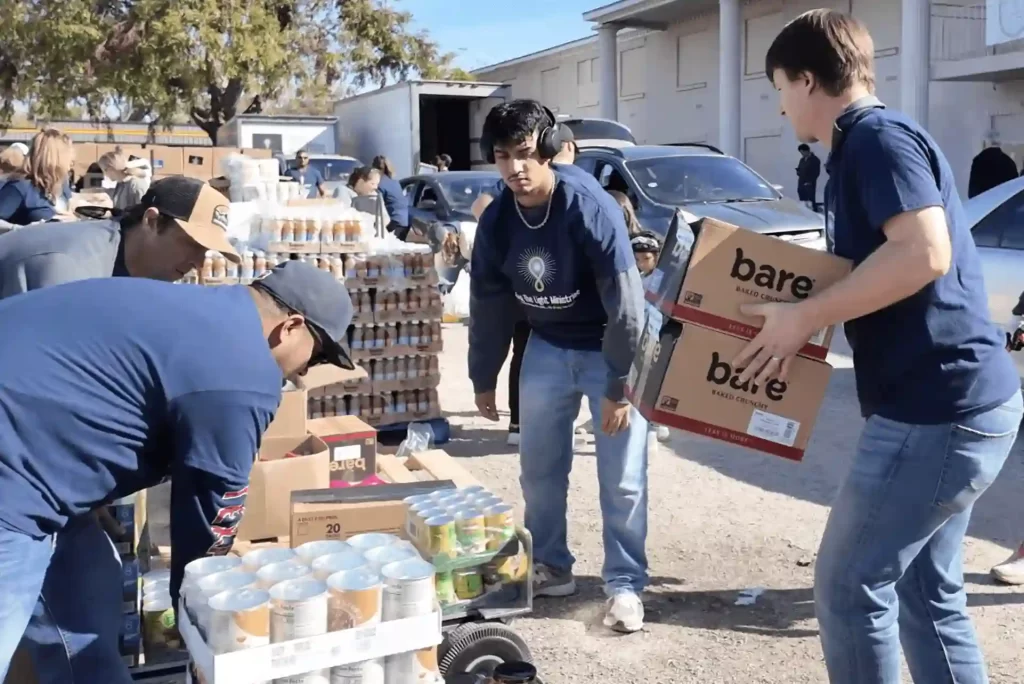
At Bring the Light Ministries, we believe no one in our community should go hungry, which is why our Drive-Through Foodbank serves many people every Saturday in underserved areas. Our mobile food distributions bring groceries, hot meals, and essential supplies directly to neighborhoods where transportation barriers often prevent access to traditional food pantries.
These weekly outreach events function as more than just food distribution—they create spaces of dignity and hope.
Our approach to food donation in Dallas focuses on both immediate relief and building lasting relationships that help lift people out of poverty. Through partnerships with local businesses, churches, and community organizations, we’ve distributed countless meals while maintaining a volunteer-driven model.
If you’re looking to donate food in Dallas where it will make an immediate impact, we welcome your contributions of non-perishable items, volunteer time, or financial support that enables our weekly outreach to continue serving our neighbors with compassion.