
Summary
Dallas homeless charities are making remarkable strides in combating homelessness through a comprehensive approach of emergency services, rehabilitation programs, and long-term support. Organizations like Bring The Light Ministries, Dallas LIFE, The Stewpot, and Catholic Charities Dallas provide essential resources while creating sustainable pathways to independence through housing assistance, addiction recovery, and employment training—ultimately restoring dignity and hope to thousands of our city’s most vulnerable residents.
Homelessness in Dallas affects thousands of our neighbors, with over 4,400 individuals lacking stable housing across our city. Behind these statistics are real people facing complex challenges—from job loss and mental health struggles to addiction and family breakdown.
Fortunately, a dedicated network of local charities is working tirelessly to address both immediate needs and long-term solutions.
Many compassionate Dallas residents want to help but aren’t sure where to start or which organizations make the biggest impact. This article highlights how local homeless charities are creating meaningful change through their innovative programs and holistic approaches.
You’ll discover the different ways these organizations address homelessness—from emergency services to rehabilitation programs—and learn about specific organizations where your time, donations, and support can truly make a difference in someone’s life.
How Dallas Homeless Charities Help
Dallas homeless charities provide critical services to over 4,400 individuals experiencing homelessness in our city. These organizations address immediate needs through food, shelter, and hygiene services while simultaneously working on long-term solutions like housing assistance, job training, and recovery programs. Their holistic approach is gradually reducing homelessness and restoring dignity to our most vulnerable neighbors.
Providing Essential Needs and Emergency Services
Food insecurity and lack of shelter are the most urgent challenges facing homeless individuals in Dallas. Local charities have developed efficient systems to meet these immediate needs through mobile food banks, shelter networks, and street outreach teams.
Every meal served is more than just nutrition—it’s a first step toward building trust and hope. When charities provide hot meals, clean clothing, and safe places to sleep, they create opportunities for deeper conversations about long-term recovery. These initial connections often lead individuals to access other support services that can help break the cycle of homelessness.
Organizations throughout Dallas have mobilized thousands of volunteers to distribute essential items directly to those in need, whether under freeway overpasses or in church parking lots.
Key emergency services provided include:
- Mobile food distribution serving thousands of hot meals weekly
- Emergency shelter during extreme weather conditions
- Hygiene kits with toiletries and personal care items
- Clean clothing, blankets, and sleeping bags
- Medical care and health screenings through volunteer professionals
These immediate interventions not only address urgent physical needs but create a foundation of trust for longer-term recovery work.
Rehabilitation and Recovery Programs
Breaking the cycle of homelessness often requires addressing underlying issues like addiction, mental health challenges, and trauma. Dallas charities offer structured rehabilitation programs that provide the support needed for lasting recovery.
True transformation takes time, which is why many organizations offer long-term residential programs. These comprehensive approaches typically last from several months to over two years, giving participants the stability needed to work through complex issues. Faith-based organizations often integrate spiritual support alongside practical services, addressing the whole person.
The most effective programs recognize that homelessness is rarely about just lacking housing—it’s frequently connected to deeper challenges that require specialized care and patience.
Recovery services commonly offered include:
- Addiction recovery through structured 12-step programs
- Mental health counseling and therapy sessions
- Life skills training for independent living
- Case management with personalized recovery plans
- Spiritual support and community connection
When combined with emergency services, these rehabilitation efforts help individuals build the foundation needed for permanent housing and self-sufficiency.
Key Organizations and Their Efforts
Several dedicated organizations form the backbone of Dallas’s response to homelessness, each bringing unique approaches and specialized programs. These nonprofits collaborate with community partners, businesses, and churches to maximize their impact while addressing different aspects of homelessness. Their collective efforts create a safety net that catches individuals at various stages of need and provides appropriate support.
Bring The Light Ministries

From 2015 onward, Bring The Light Ministries has been providing services to aid the homeless with food and spiritual support. Their method incorporates combining aid assistance with transformation possibilities. BTL volunteers serve a large amount of meals every year while giving away hygiene packs along with clothing during their weekly food distribution and street outreach programs.
What started as a small outreach program has turned into a movement involving volunteers every year. It provides grocery and heated meals to the homeless every Saturday through the Drive-Through Foodbank on underserved hot spot areas. These events create connection points where volunteers can offer prayer, encouragement, and resource information.
Along with other organizations, BTL works with community churches and local businesses to increase their area of outreach. Their monthly Saturday lunches and weekly pasta outreach events are aimed at providing food boxes to help them gain the trust required to discuss deeper issues.
Dallas LIFE
Located in North Texas, Dallas LIFE is one of the biggest homeless recovery centers and takes a comprehensive approach to rehabilitation through their “Homeless No More” program. Their model is faith-based and aims to fulfill the physical, emotional, and spiritual needs that contribute to homelessness.
Specialized programs are provided to serve the different populations which include men, women, and families with children. Every resident is required to complete a ten month recovery program which helps them achieve increased self-sufficiency as well as independence. Classes taught in the facility are integrated with addiction recovery, financial literacy, and job readiness training to prepare residents to make positive changes in their lives.
Dallas LIFE operates a 100,000 square foot facility that serves 500 individuals each night. This makes it one of the most important facilities during extreme weather conditions when living on the streets become dangerous. In addition to these services, Dallas LIFE also helps intact families by letting parents and children stay together through the recovery process, which is especially helpful for children.
To address certain health issues that contribute to homelessness, the organization also collaborates with local healthcare providers to offer medical check-ups, mental health treatments, and dental services. In addition to these, the organization also provides chaplain services and counselors who use these services to offer emotional support, which combined with the other programs can lead to recovery.
The Stewpot
For more than 48 years, The Stewspot has offered services for Dallas’s homeless and at-risk populations. Their approach is central as it daily serves meals and integrates casework and enrichment services. The organization aids clients in dealing with cumbersome systems to acquire identifications, housings, and even medical care.
In collaboration with The Bridge Homeless Recovery Center, The Stewpot serves over 1,200 meals a day. People are provided with nutritious food within a communal and friendly environment which helps overcome feelings of loneliness experienced by many. Their casework services help clients overcome common barriers to stability such as obtaining birth certificates and obtaining Social Security cads, both of which are crucial for housing and jobs.
The Stewpot is unique in their focus on not only survival services but self development through community engagement and art programs. Their Open Art Program gives homeless individuals a chance to use creativity therapeutically through various forms, some of which eventually learn to sell their artworks and become exhibits.
The STREETZine program helps vendors sell newspapers at a profit, allowing people to earn money while effectively raising awareness about homelessness. These vendors help to provide economic opportunities through a street newspaper project called A Street Paper. In addition, The Stewpot pays Auxiliary Services performs the function of meeting benefits and placing them under the care of disabled persons in order to prevent financial abuse for these persons.
Catholic Charities Dallas
Catholic Charities Dallas has a two-pronged strategy in tackling homelessness: intervention and prevention. They have several long-term programs designed to deal with immediate housing emergencies while ensuring clients have the financial resources to sustain themselves to avoid homelessness in the future. The organization also provides support in the form of rental and utility payments to families on the verge of destitution.
Their financial stability and career services include pre-employment and job training services to vulnerable people. The organization provides financial coaching to clients by partnering them with certified financial coaches who assist clients in preparing budgets and developing other strategies to aid in the elimination of debt and savings—attending to the underlying problem of financial instability that leads to inadequate housing.
Furthermore, special services for children aim to assist children from low income families to realize their educational and developmental potential thus stopping the cycle of poverty. These programs provide children with academic support, healthy meals, and extracurricular activities in a safe space during after school hours while parents are trying to put their situation in order.
Cathy Charites Dallus serves slash operates a couple of hundred Food Pantries across the town and supports families facing food scarcity, which is a reason for homelessness, by giving them more than 1.5 million pounds of food each year. Additionally, these charitable organizations help provide legal aid for immigrants. This allows for legally allowing immigrant families obtain work permits and residency legally, in return helping reduce economic meltdowns that can drive homelessness.
Bring The Light Ministries: Hope in Action
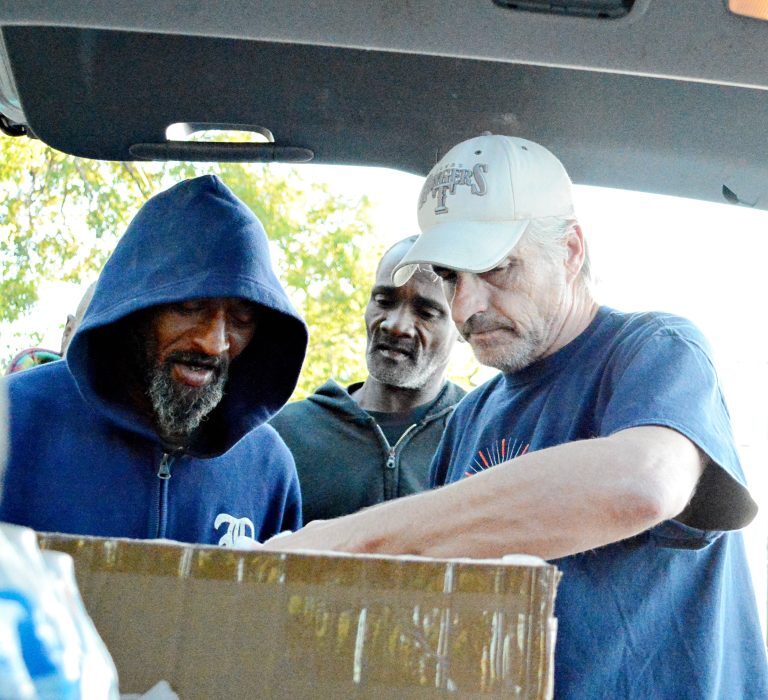
Bring The Light Ministries stands at the forefront of Dallas’s fight against homelessness, embodying their mission to “bring the light” of hope to the lost, broken, and starving. Every act of service reflects their belief that meeting basic human needs opens doors to restoring dignity.
Their impact continues to grow, with plans for The Joshua Center offering long-term residential recovery. Whether through weekly drive-thru food donation or street outreach, BTL creates pathways of transformation.