
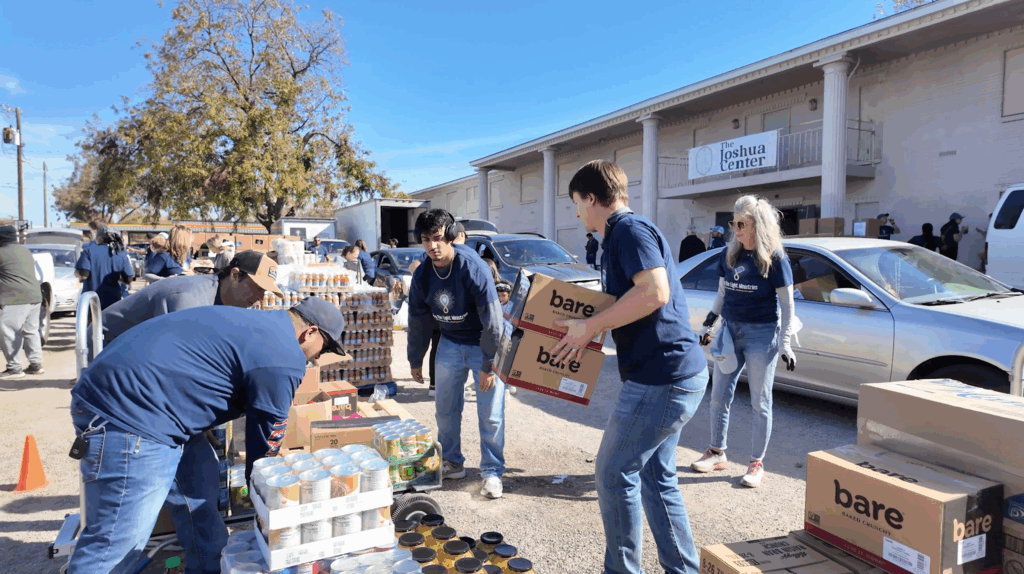
Most people think feeding homeless folks is simple – just hand out whatever food you have and call it good. But here’s the thing: if you really want to help someone rebuild their life, a stale sandwich isn’t going to cut it. Organizations like Bring the Light Ministries get this. They know there’s a huge difference between stopping hunger for an hour and actually giving people what they need to get back on track.
Think about it this way – when you’re sick, your doctor probably tells you to eat well to recover faster. The same logic applies here. How can we expect people living on the streets to bounce back from crisis while eating junk food? The research backs this up, too. Good nutrition directly affects how well someone can recover from tough situations.
Yet when organizations feed the homeless, many operate under the assumption that “any food is better than no food.” This mindset creates barriers to meaningful recovery and must be reconsidered by organizations serious about creating lasting change.
The Real Problem: Most Food Programs Don’t Actually Help
Here’s an eye-opening stat: More than 70% of homeless people deal with malnutrition. Not because there’s no food around, but because they’re not getting the right kind of food. When your body doesn’t get what it needs, your immune system tanks, you have no energy, and even simple stuff like filling out job applications becomes way harder than it should be.
Most volunteers show up with good intentions and peanut butter sandwiches. Nothing wrong with wanting to help, but these band-aid approaches often keep people stuck instead of helping them move forward.
Here’s something most people don’t realize – if you’re living outside, your body burns way more calories just trying to stay alive and warm. These folks need real protein, not the processed stuff, plus carbs that actually give lasting energy instead of sugar crashes. And when you can’t see a doctor regularly, getting vitamins from actual food becomes super important for staying healthy.
Why It’s So Hard to Serve Healthy Food
Let’s be honest – serving good food to lots of people is tough and expensive. When you’re working with a tight budget, cheap processed food looks pretty tempting compared to fresh vegetables and decent protein. Sure, you save money upfront, but you’re not really helping anyone long-term.
Then there’s the practical stuff. Many volunteers want to serve healthy meals, but don’t know how or don’t have the right setup. Cooking for 50+ people in a church basement isn’t exactly ideal when you’re trying to handle fresh ingredients that need to stay cold and get used quickly.
Most organizations also get stuck in emergency mode. Someone needs food now, so you grab whatever’s handy and get it out there fast. Makes sense when you’re thinking short-term, but it stops you from seeing the bigger picture of how good food could actually change someone’s life.
Plus, a lot of groups are flying solo without connections to farms, grocery stores, or nutrition experts who could help make healthy programs actually work without breaking the bank.
What Actually Works: The Basics of Good Homeless Nutrition Programs
People experiencing homelessness need about 25-30% more calories than the rest of us. All that stress of surviving outside burns serious energy.
Protein is huge – not just any protein, but the complete kind with all the amino acids your body needs to heal and function. This stuff directly affects whether someone has the mental clarity and physical energy to look for jobs or housing.
Vitamins and minerals matter even more when you’re living rough. Vitamin C helps when you’re constantly dealing with harsh weather. B vitamins keep energy levels stable. Iron prevents anemia, which is common when you can’t get regular checkups.
The best programs also have real kitchen facilities (not just a folding table), partnerships with local food sources, and ways for people to actually tell you what they need instead of just taking whatever you give them.
How Bring the Light Does Things Differently
What sets organizations like Bring the Light apart isn’t just that they care about nutrition – it’s that they understand food is just one piece of helping someone rebuild their life.
They create an environment where eating well supports everything else someone needs to get back on track. When you combine good nutrition with stable housing, healthcare, and genuine community support, people don’t just survive – they actually rebuild their lives. And that benefits everyone, from reunited families to stronger communities.
How You Can Help Make Real Change
If you want to get involved, look for organizations that think beyond just handing out meals. Places like Bring the Light offer volunteer opportunities in food box prep, mentoring, and building actual relationships with people.
Instead of just funding one-off meal events, consider supporting programs that invest in better storage facilities and lasting partnerships. Corporate partnerships can provide steady funding or specialized help that makes a real difference.
The most effective approach is supporting organizations that tackle housing, food, healthcare, and social support all at once. When you address multiple problems together, people actually have a shot at permanent change instead of just surviving another day.
You can also help by connecting organizations with local farmers, stores, or restaurants willing to partner up. These relationships often determine whether a program can operate consistently or just sporadically.
The Bottom Line
Real change happens when you address root causes instead of just treating symptoms. Feeding homeless people properly isn’t charity – it’s an investment in helping people get back on their feet and strengthening your whole community.
Programs like Bring the Light prove what’s possible when you think beyond crisis management. By combining good food with housing help, support services, and genuine community, they help people reclaim their lives for good.
If you’re serious about making lasting change instead of just temporary relief, support comprehensive approaches that recognize good nutrition as the foundation for everything else. The evidence is clear – when you meet basic needs like proper food within bigger support systems, people experiencing homelessness can and do successfully rebuild their lives.
The real path forward means recognizing that effective help involves way more than just handing out food. It means understanding nutrition as recovery fuel, investing in infrastructure that supports healthy meal programs, and creating comprehensive support that addresses the complex reality of homelessness in practical, sustainable ways.